· Category: Dry Bulk Cargo · By Konstantin Kalnyi
Bulk or Bagged Fertilizers: How the Shipping Method Changes the Vessel and Freight
How bulk, bagged and big-bag fertilizers affect vessel selection, cargo handling, stowage, port operations and the final sea freight cost.
The commercial question comes before the vessel
Mineral fertilizer can move as a homogeneous bulk parcel, in bags, or in big bags. The commodity may be the same, but the transport model is not. Each presentation changes the suitable ship type, the loading method, the amount of labour required in port, the usable cubic capacity of the holds and the exposure to moisture or contamination. For this reason, a freight request that states only the commodity and total quantity is not ready for a dependable quotation.
Bulk cargo
When fertilizer is shipped in bulk, the charterer normally looks for a dry cargo vessel with clean, dry and suitable holds. The decisive checks include the cargo density, angle of repose where relevant, trimming requirements, moisture sensitivity, terminal loading method and discharge arrangements. A vessel with adequate deadweight can still be unsuitable if the parcel cannot be distributed safely, the hatch openings restrict the terminal equipment, or the receiving port cannot handle the proposed ship size.
Bags and big bags
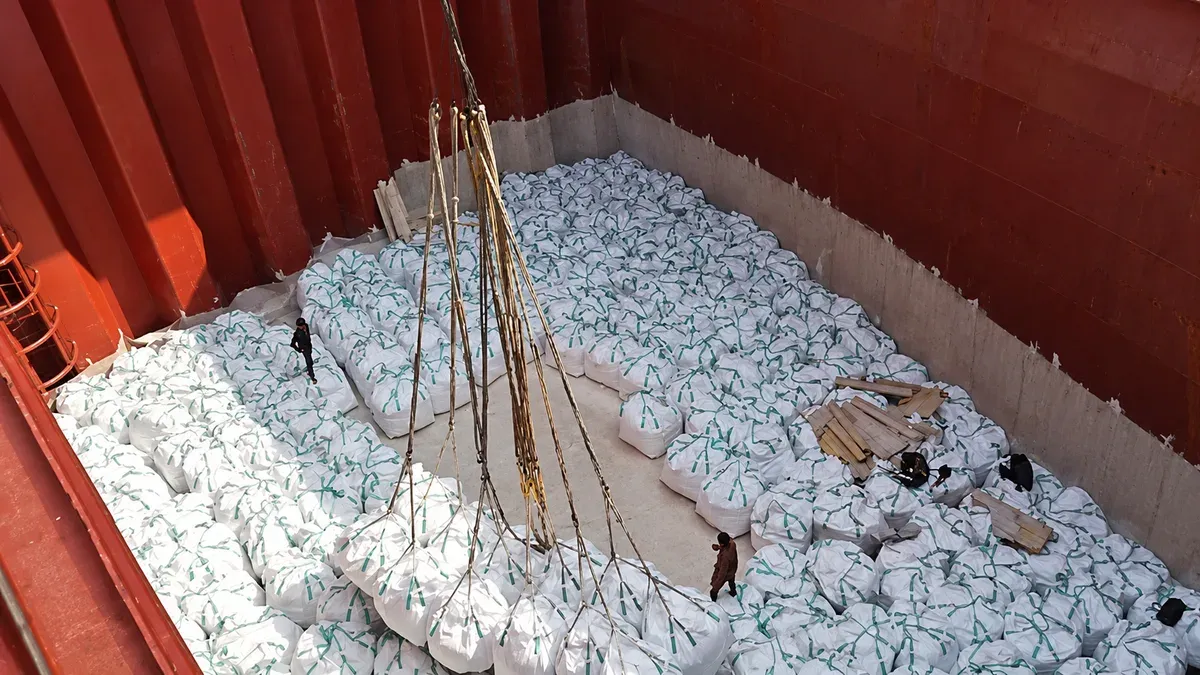
Packaged fertilizer is usually handled as breakbulk cargo. Freight is influenced by the number and weight of units, package dimensions, lifting points, stacking limits, dunnage, separation and protection from damage. Big bags may appear straightforward, but weak lifting loops, inconsistent unit weights or insufficient weather protection can reduce productivity and create claims. The charterer should confirm whether shore cranes, ship’s gear, forklifts or other equipment will be used at each end.
Ports change the comparison
The cheapest ocean rate may not produce the lowest delivered cost. Bulk loading can be fast at a specialised terminal but slow where cargo reaches the quay by truck. Bagged cargo may attract higher handling costs but allow delivery to a port without bulk facilities. Draft, berth length, crane capacity, warehouse availability, working hours and weather restrictions must therefore be checked before comparing freight offers.
Information required before fixing
A useful enquiry should state the exact fertilizer grade, packaging, total quantity, unit weight, stowage factor, loading and discharge ports, laycan, expected terminal rates and the party responsible for cargo operations. Safety data and any applicable carriage requirements should be available before the vessel is fixed. Kiev Shipping Ltd uses this information when arranging dry bulk cargo chartering, so that a freight indication reflects the actual shipment rather than an assumed cargo.
Conclusion
The choice between bulk, bags and big bags is not simply a packaging decision. It determines the vessel, the port operation, the charter-party terms and much of the final voyage cost. Exporters should select the shipping method only after the complete logistics chain has been checked.