Dry Bulk Cargo
Dry bulk cargo chartering: grain, fertilizers, coal, cement, clinker and minerals.
Dry Bulk Cargo Chartering — service page
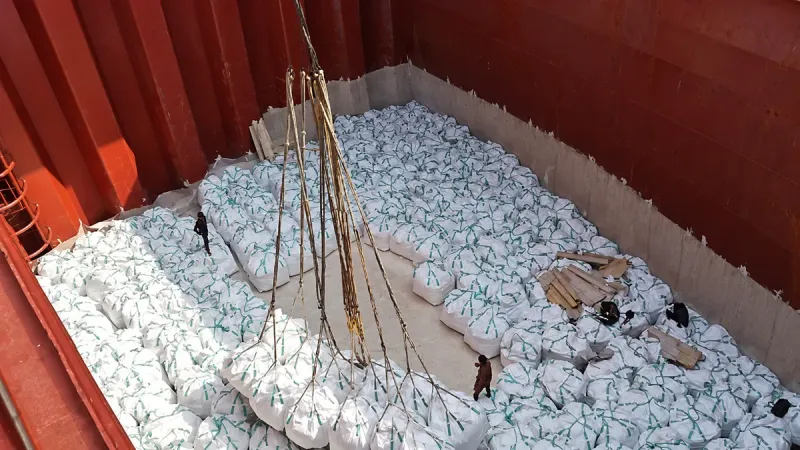
Bulk or Bagged Fertilizers: How the Shipping Method Changes the Vessel and Freight
How bulk, bagged and big-bag fertilizers affect vessel selection, cargo handling, stowage, port operations and the final sea freight cost.
Read more →
Dry Bulk: How Cargo Density Changes Vessel Utilisation
How cargo density and stowage factor determine whether a dry bulk vessel reaches its weight or volume limit first.
Read more →
Why Vessel Deadweight Is Not the Same as Cargo Capacity
Why vessel deadweight does not confirm actual cargo capacity. Learn how stowage factor, hold volume, draft and onboard weights affect dry bulk intake.
Read more →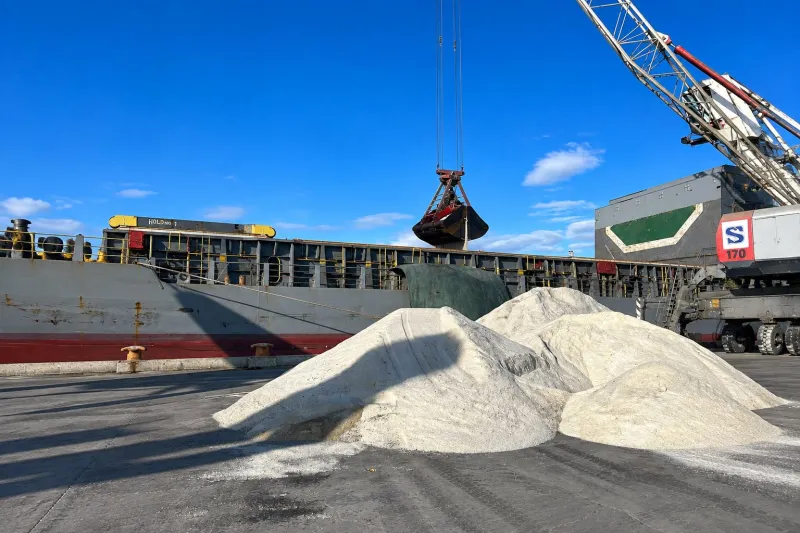
Dry Bulk Freight: Why Two Similar Voyages Can Have Different Rates
Why two similar dry bulk voyages can receive different freight rates depending on vessel position, ports, laytime and market conditions.
Read more →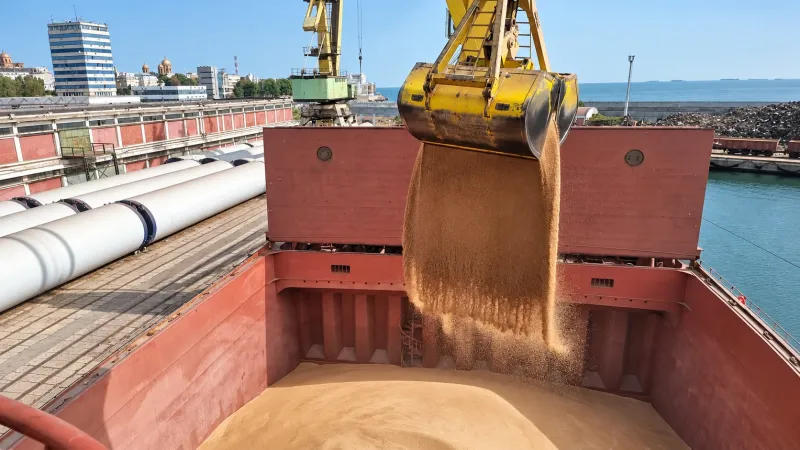
Dry Bulk Chartering: Why Loading Terms Matter to the Freight Rate
How loading and discharging rates affect voyage time, vessel economics and dry bulk freight quotations.
Read more →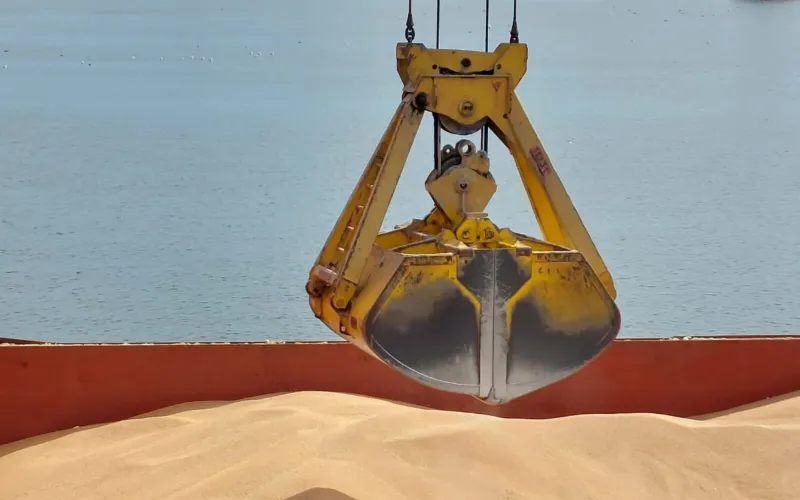
Grain Cargo Chartering: Vessel Selection and Port Restrictions
Vessel selection for grain cargoes, stowage factor and hold capacity, port restrictions and what to include in a grain chartering enquiry.
Read more →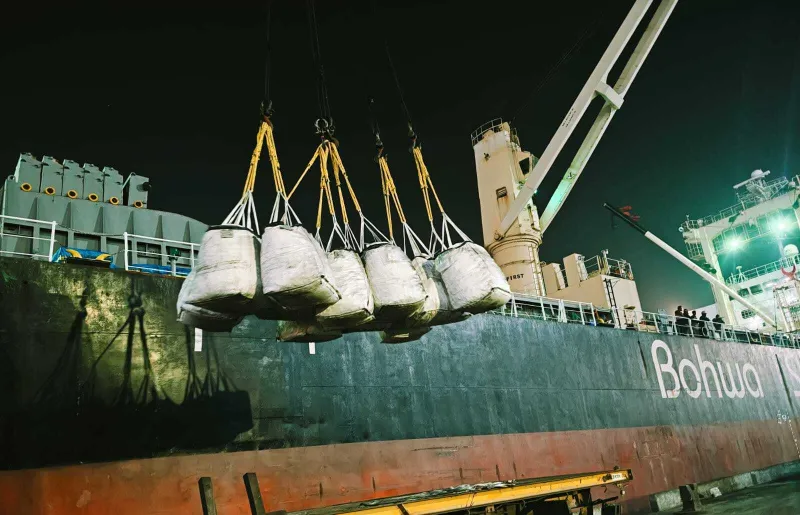
Bulk Cargo Chartering: Vessel Selection, Stowage and Port Restrictions
Kiev Shipping Ltd provides bulk cargo chartering support with vessel selection based on cargo characteristics, stowage factor, draft restrictions and voyage economics.
Read more →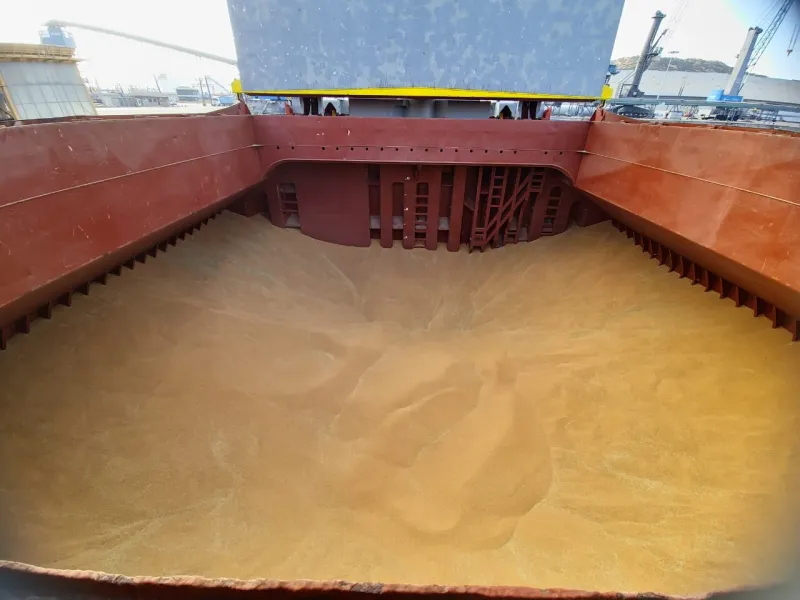
Dry Bulk Cargo: Why Cargo Characteristics Matter
Dry bulk cargoes differ in density, handling requirements and sensitivity. These factors must be evaluated before selecting a vessel.
Read more →