· Category: Ship Chartering · By Konstantin Kalnyi
How to Choose a Ship Chartering Broker for a Confirmed Cargo
How cargo owners can choose a ship chartering broker, prepare a firm enquiry and avoid duplicated cargo circulation before a vessel search begins.
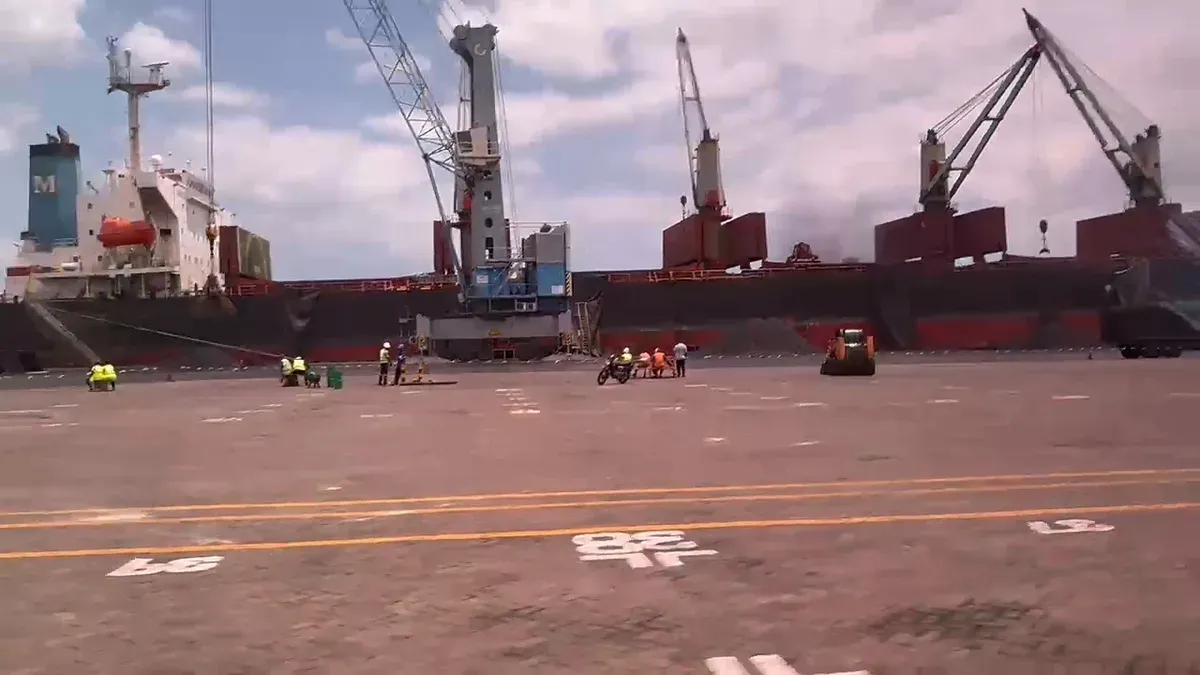
A cargo owner normally contacts a shipbroker for one practical reason: a confirmed shipment needs suitable tonnage on workable commercial terms. The broker is not there merely to circulate an email. The real work is to understand the cargo, test the enquiry against the market, identify realistic vessels and carry negotiations to a clear fixture recap.
Start with a cargo that can actually be worked
Before approaching the market, the cargo interest should control the shipment or have clear authority to arrange it. The cargo description, quantity, loading and discharging ports, laycan and handling terms must be sufficiently developed for an owner to assess the business. An enquiry without a cargo readiness window or confirmed ports is not yet a chartering order; it is an early planning question.
A professional broker should say this directly. Producing a confident freight number from incomplete data may look helpful, but the result can be commercially misleading. Vessel position, port restrictions, cargo handling and market timing can change the figure materially.
A broker should understand the vessel as well as the cargo
The cheapest vessel on a position list is not automatically the right vessel. A broker must compare deadweight and cargo capacity, draft, hold and hatch dimensions, cargo gear, crane outreach, deck strength, age, class, trading limits and the vessel’s realistic arrival date. For project and breakbulk cargo, the dimensions and weight of every unit can be decisive. For dry bulk, stowage factor and port draft may determine whether the ship reaches its weight limit or its volume limit first.
The broker should also understand the contractual effect of the operational details. Loading and discharging rates become laytime. Port uncertainty becomes a demurrage risk. A narrow laycan may reduce the number of suitable ships and increase the freight level.
Avoid uncontrolled circulation of the same cargo
Sending one enquiry through a large number of brokers does not necessarily create competition. The same order may reach the same owners several times with different wording, different freight ideas or different terms. Owners can then question who controls the cargo and whether the order is firm. In a tight market, duplicated circulation may weaken rather than strengthen the charterer’s position.
A better approach is to appoint a broker who understands the trade, agree how the cargo will be circulated and keep the commercial message consistent. This does not remove competition between owners. It makes that competition credible.
Ask what the broker will do after finding a vessel
Vessel search is only the first stage. A chartering broker should be able to communicate offers and counters accurately, compare the commercial effect of competing proposals, prepare or coordinate the fixture recap and assist with charter-party wording. The work may continue through notices, schedule changes, loading and discharge questions, freight documentation, laytime and demurrage correspondence.
The broker is not a substitute for the shipowner, charterer, port agent, surveyor or lawyer. The value lies in keeping the commercial transaction coherent while the parties perform their own responsibilities.
Check experience through evidence
A cargo owner should look for evidence that the broker understands real fixtures: documented voyages, technically credible articles, knowledge of charter-party terms and the ability to explain why a vessel is or is not suitable. Large claims and generic promises are less useful than a clear description of the work performed.
Kiev Shipping Ltd has worked in ship chartering and maritime brokerage since 2000. Our ship chartering services cover dry bulk, breakbulk, project, bagged and general cargoes through the international freight market. We do not own vessels; we search for suitable tonnage and negotiate the commercial terms for each confirmed enquiry.
What to send for a vessel search
For an initial review, send the exact cargo description, quantity and tolerance, packing method where applicable, unit dimensions and weights, loading and discharging ports, cargo readiness or laycan, loading and discharging terms and any berth or vessel restrictions. Photographs, drawings and a packing list should be included for non-standard cargo.
A complete enquiry allows the broker to approach the right owners, compare vessels on the same basis and provide a freight indication that reflects the shipment rather than an abstract route.
Related services: dry bulk cargo chartering · breakbulk cargo chartering · project cargo chartering.