· Category: Breakbulk & Project Cargo · By Konstantin Kalnyi
Project Cargo from Factory to Ship: Where Transport Plans Commonly Fail
How inland transport, port access, cranes, storage, cargo readiness and laycan affect project cargo shipping from factory to vessel.
The ocean leg cannot be planned in isolation
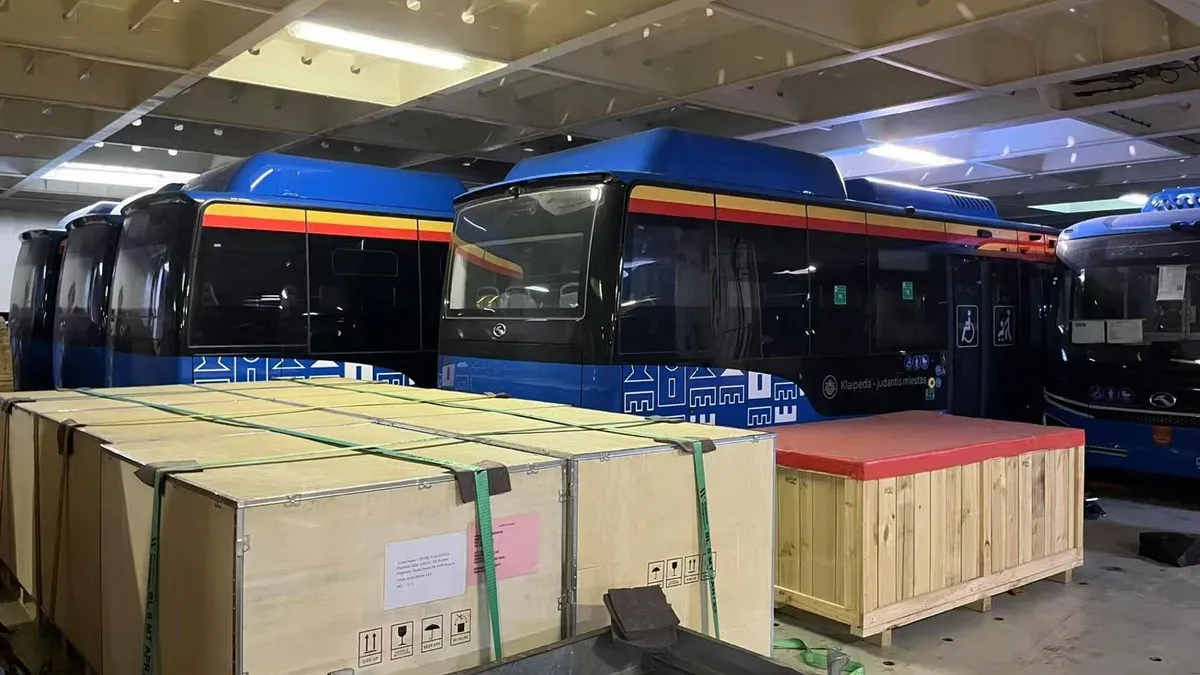
A suitable vessel does not solve a project shipment if the cargo cannot leave the factory, reach the terminal or be accepted at the berth. The route from production site to ship must be treated as one chain. A failure at any interface can cause storage costs, missed laycan, vessel waiting time or a complete change of transport plan.
Factory readiness
Final drawings, verified weights, centres of gravity and lifting points should be available before firm vessel commitments are made. Production completion is not the same as transport readiness. Packing, preservation, lifting certification and access for trailers or cranes may still be outstanding after the equipment itself is complete.
The inland route
Road clearances, bridge limits, turning radii, axle loads, permits and escort requirements determine whether the cargo can reach the nominated port. For very large units, a river berth or alternative terminal may be more practical than the closest seaport. The delivery schedule must also match storage capacity and the ship’s loading sequence.
Terminal and vessel interface
The project team should verify berth dimensions, water depth, quay strength, crane positions, outreach, lifting capacity and availability of suitable rigging. If tandem lifting is proposed, the vessel and terminal must agree the procedure. Weather limits and the time required to prepare the lifting arrangement should be included in the operational plan.
Laycan must follow reality
Fixing a vessel against an optimistic production date transfers the schedule problem to the charter party. A realistic laycan should allow for inland permits, port reception, documentation and contingency. Kiev Shipping Ltd considers these interfaces when arranging project cargo chartering, rather than treating the ocean freight as a separate purchase.
Conclusion
Project cargo plans usually fail at the boundaries between contractors. A coordinated plan connecting the factory, inland carrier, terminal, agent, shipbroker and vessel gives the charterer a far better basis for controlling time and cost.