Steel Slabs Chartering from India to Türkiye: 50,000 MT Voyage Charter Example
Chartering a vessel for 50,000 metric tons of steel slabs requires considerably more than obtaining a freight rate. Individual slab dimensions and weight, vessel crane capacity, hold configuration, loading and discharge productivity, Notice of Readiness provisions, laytime, routing, insurance, sanctions compliance and responsibility for additional port costs all have to be agreed before the vessel is fixed.
The following sample chartering case demonstrates how commercial and operational terms may be structured for a large steel slab shipment from India to Türkiye. The case is based on a practical voyage-chartering structure and has been adapted for publication. “Global Steel Ltd” is a fictional company name, while freight, demurrage and other commercially sensitive figures have been withheld.
Chartering Case
- Account:
- Global Steel Ltd
- Cargo:
- Steel slabs
- Quantity:
- 50,000 MT, 5% more or less in Charterers’ option
- Maximum individual slab weight:
- 28 MT
- Maximum width:
- 1,550 mm
- Maximum length:
- 10.8 m
- Loading port:
- 1/2 safe berths, Paradip, India
- Discharge port:
- 1/2 safe berths, Diliskelesi, Türkiye
- Laycan:
- 12–14 December
- Routing:
- Via Cape of Good Hope
Vessel Selection
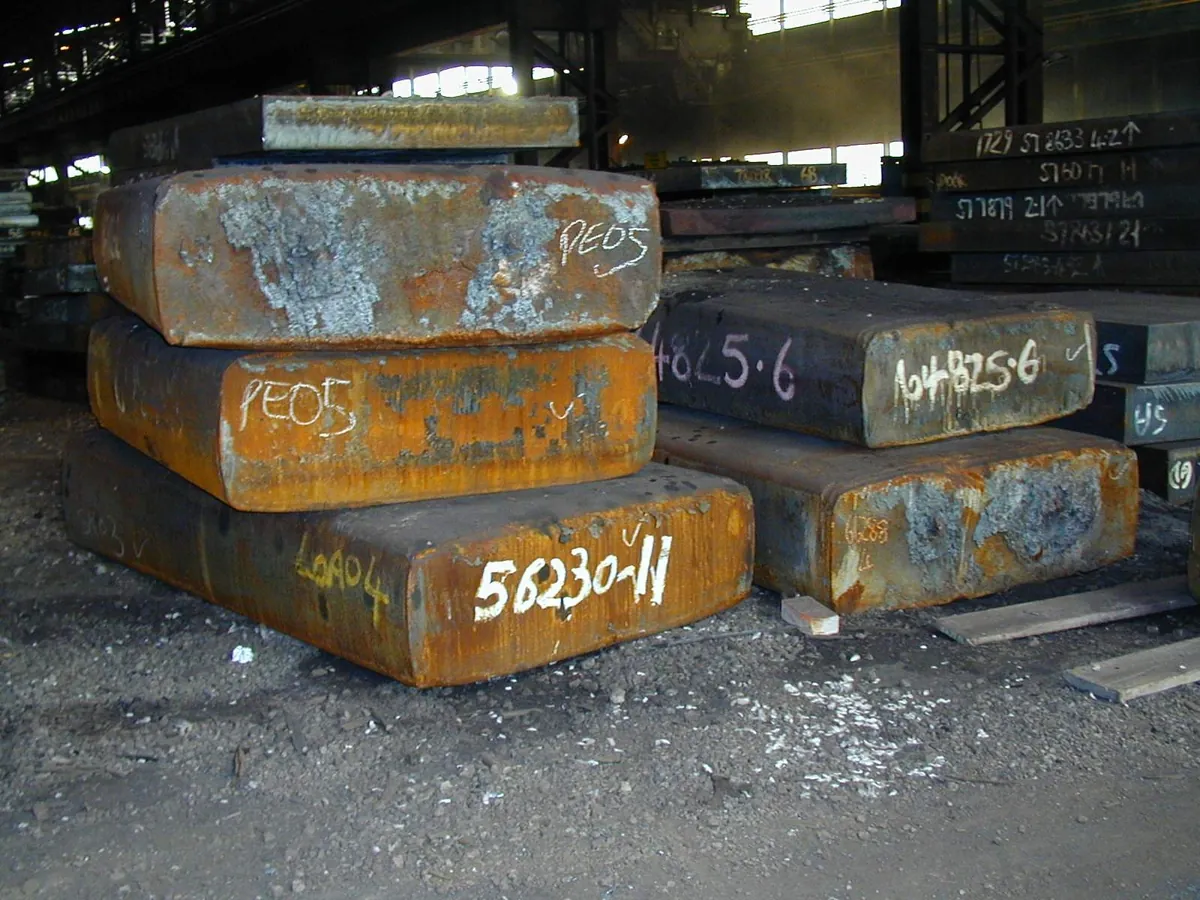
For a cargo of this size, vessel deadweight alone is not sufficient to determine suitability. The vessel must have an appropriate hold configuration, tank-top strength, hatch dimensions and cargo gear capable of safely handling individual steel slabs weighing up to 28 MT.
The contemplated vessel is a suitable geared bulk carrier or general cargo vessel of less than 20 years of age, classed with an IACS member and entered with an International Group P&I Club.
The vessel is to provide four workable cranes with a minimum safe working load of 30 MT each. Crane outreach is to exceed 9 metres. If a vessel offers cranes with a higher SWL, the maximum available safe lifting capacity should be declared during nomination.
The vessel must comply with the applicable SOLAS, ISM, ISPS and classification requirements and satisfy the operational requirements of the loading and discharge terminals, shipper and receiver.
Loading Terms at Paradip
Loading rate: 8,000 MT per weather working day, Sundays and holidays excluded, unless used, basis four workable hooks and/or holds, pro rata if fewer are available.
A 24-hour turn time applies at the loading port in accordance with the agreed charter-party provisions. Time required for shifting, securing the gangway, initial and final draft surveys, hatch inspection and customs formalities is excluded from laytime under the agreed terms.
Notice of Readiness is to be tendered during agreed office hours, Monday to Friday, excluding charter-party holidays. If the port is officially closed, NOR may only be tendered once the port resumes operations.
If the vessel is expected to tender NOR after the agreed cancelling date, Owners must request an extension of the cancelling date. In such circumstances, laytime commences in accordance with the agreed turn-time and commencement provisions.
If the vessel arrives and tenders NOR before commencement of laycan, the vessel may berth if permitted, but contractual laytime is calculated from the first day of the agreed laycan subject to the applicable NOR and turn-time provisions.
Discharge Terms in Türkiye
Discharging rate: 8,000 MT per weather working day, Sundays and holidays excluded, unless used, basis four workable geared holds, pro rata if fewer cranes or loaded holds are available.
Discharge may be performed using the vessel’s cranes or shore cranes at Charterers’ option, subject to the agreed allocation of costs.
Notice of Readiness may be tendered upon arrival at the pilot station, harbour limits or another recognised waiting position instructed by the port authority or agent, basis WIBON, WCCON, WIFPON and WIPON as agreed in the charter party.
Laytime at the discharge port is to commence at 08:00 on the next working day following acceptance of valid NOR, subject to the agreed charter-party provisions. Time actually used before commencement of contractual laytime counts as laytime.
Laytime ceases upon completion of discharge. Rain during normal working time does not count unless cargo operations continue. Official strikes are excluded in accordance with the agreed terms.
Vessel Crane Breakdown
Cargo gear reliability is particularly important when handling heavy steel products. The charter terms therefore provide a defined procedure in the event of crane breakdown.
If one or more vessel cranes become unavailable, Owners are allowed an agreed repair period. During that period, time counts proportionally to the number of workable cranes and corresponding cargo holds.
If the repair period is exceeded, receivers may employ shore cranes until the affected vessel cranes are repaired and fully operational. Where shore cranes are required because of vessel crane failure, the resulting additional cost is for Owners’ account under the agreed terms.
Freight Structure
Freight: Confidential — agreed in USD per metric ton, basis routing via Cape of Good Hope.
The freight structure must clearly establish which voyage expenses are included in the negotiated rate. A headline freight figure cannot be evaluated correctly without understanding the costs and risks allocated to Owners and Charterers.
In this example, the negotiated freight structure addresses applicable Extra War Risk Insurance, crew bonuses, deviation costs, security arrangements, armed guards where required, ETS-related costs, additional equipment, kidnap and ransom insurance, piracy-related costs and other additional insurance premiums arising during the voyage.
Any material change in cargo quantity, loading port or discharge port may result in an adjustment to freight. Such additional cost or benefit may be calculated on an open-book basis where this has been agreed between Owners and Charterers.
Freight Payment
The commercial structure provides for 100% freight to be paid within the agreed number of banking days following the Bill of Lading date and in all cases before breaking bulk at the discharge port.
The final charter party must also clearly allocate responsibility for agency expenses, port disbursements, freight taxes and other voyage-related charges at loading and discharge ports.
Lightering, Barging and Shore Cranes
Large steel cargoes may generate substantial additional costs if the nominated vessel cannot complete the operation directly at the intended berth.
The charter party should therefore establish in advance who bears the cost of lightering, barging, stevedoring at anchorage, floating or shore cranes and any other equipment required because of vessel draft, berth restrictions or operational limitations.
In this example, additional costs resulting from the vessel’s inability to complete the contractual discharge operation without such assistance are allocated in accordance with the negotiated Owners’ responsibilities.
Demurrage and Despatch
Demurrage: Confidential — agreed as a daily rate.
Despatch: As agreed in the charter party.
Demurrage is not simply a standard figure added at the end of negotiations. Its commercial effect depends on the loading and discharge rates, commencement of laytime, NOR validity, weather provisions, crane availability and numerous exceptions incorporated into the charter party.
For a 50,000 MT steel shipment, even relatively small differences in laytime interpretation can result in substantial additional voyage costs.
Compliance and Vessel Vetting
The nominated vessel, Owners and relevant operating parties must satisfy applicable sanctions and compliance requirements.
The sample terms require an IACS-classed vessel, appropriate P&I cover, valid statutory certificates and compliance with applicable US, EU and United Nations sanctions. A nominated vessel or relevant Owner appearing on an applicable sanctions or SDN list would not be acceptable.
Additional commercial vetting may include vessel age, flag, ITF status where applicable, GHG performance, RightShip requirements and the vessel’s previous trading and operational history.
Why the Charter Party Details Matter
A steel slab fixture demonstrates why two apparently similar freight offers cannot be compared solely by their USD/MT rate.
One vessel may have stronger cranes but higher freight. Another may quote a lower rate but expose Charterers to additional shore-crane costs, slower cargo operations, lightering, restrictive NOR provisions or higher demurrage exposure.
The commercial result therefore depends on the complete package: vessel suitability, cargo intake, freight, loading and discharge terms, laytime, demurrage, port restrictions, insurance, routing and allocation of operational risks.
This is also why it is important to compare freight offers and total voyage costs, rather than only the headline freight rate.
Kiev Shipping’s Role
Kiev Shipping Ltd works as an independent shipbroker and does not own vessels. We charter suitable tonnage through the international freight market for dry bulk, breakbulk, steel, bagged, project and general cargoes.
For steel and other breakbulk cargoes, our work may include review of cargo specifications, vessel suitability assessment, freight indications, vessel search, negotiations with Owners and operators, charter-party support and commercial voyage follow-up from loading through completion of discharge.
This type of shipment illustrates why practical chartering experience matters before a vessel is fixed. The objective is not simply to obtain a freight quotation, but to negotiate a workable vessel and contractual structure for the complete voyage.
Have a Steel or Breakbulk Cargo to Move?
For a freight indication or vessel search, please send the cargo description, total quantity, individual dimensions and weights where applicable, loading and discharge ports, laycan, loading and discharge rates, cargo-handling requirements and any vessel restrictions.
Kiev Shipping Ltd will review the enquiry against the current freight market and suitable available tonnage.
Disclaimer: This chartering example has been adapted for informational purposes from a practical voyage-chartering structure. “Global Steel Ltd” is a fictional company name. Freight, demurrage and certain commercially sensitive provisions have been removed or modified. The example does not constitute a freight offer, fixture confirmation or charter-party commitment.