
· Category: Breakbulk & Project Cargo
Breakbulk and Project Cargo: Why Planning Starts Before the Vessel Is Fixed
Breakbulk and project cargo shipments require detailed technical, operational and commercial planning before a vessel is fixed.
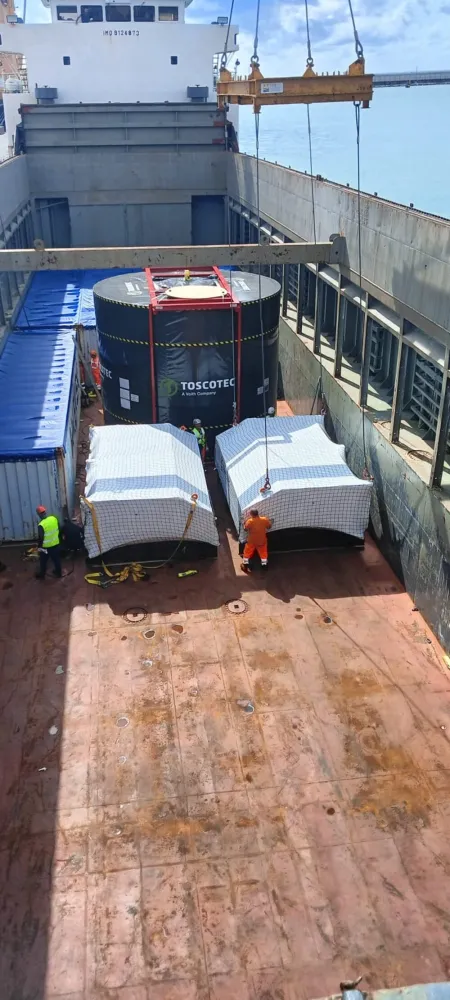
Breakbulk and project cargo shipments require more preparation than standard cargo movements. Heavy machinery, industrial equipment, steel structures, transformers and oversized units may differ significantly in dimensions, weight and handling requirements.
Before selecting a vessel, the cargo must be evaluated as a complete shipment. This includes unit dimensions, individual weights, lifting points, centre of gravity, packing, required supports and lashing arrangements.
A vessel may appear suitable by deadweight but still be unable to handle the cargo because of limited hatch openings, deck strength, crane capacity, outreach or available stowage space. Port restrictions, berth access, shore equipment and inland delivery routes must also be checked.
Incomplete technical information often results in inaccurate freight offers, revised terms and delays. Drawings, packing lists, lifting plans and cargo readiness dates should therefore be provided at an early stage.
Successful breakbulk and project cargo chartering depends on coordination between the shipper, broker, owner, port, surveyor and stevedores. The correct vessel is not simply the cheapest one. It is the vessel that can load, secure, transport and discharge the cargo safely within the agreed schedule and budget.
See also: Ship Chartering: Why the Freight Rate Is Not Enough · Dry Bulk Cargo: Why Cargo Characteristics Matter · How to submit a chartering enquiry.
Language versions: Українська версія · Русская версия