
· Category: Dry Bulk Cargo
Dry Bulk Cargo: Why Cargo Characteristics Matter
Dry bulk cargoes differ in density, handling requirements and sensitivity. These factors must be evaluated before selecting a vessel.
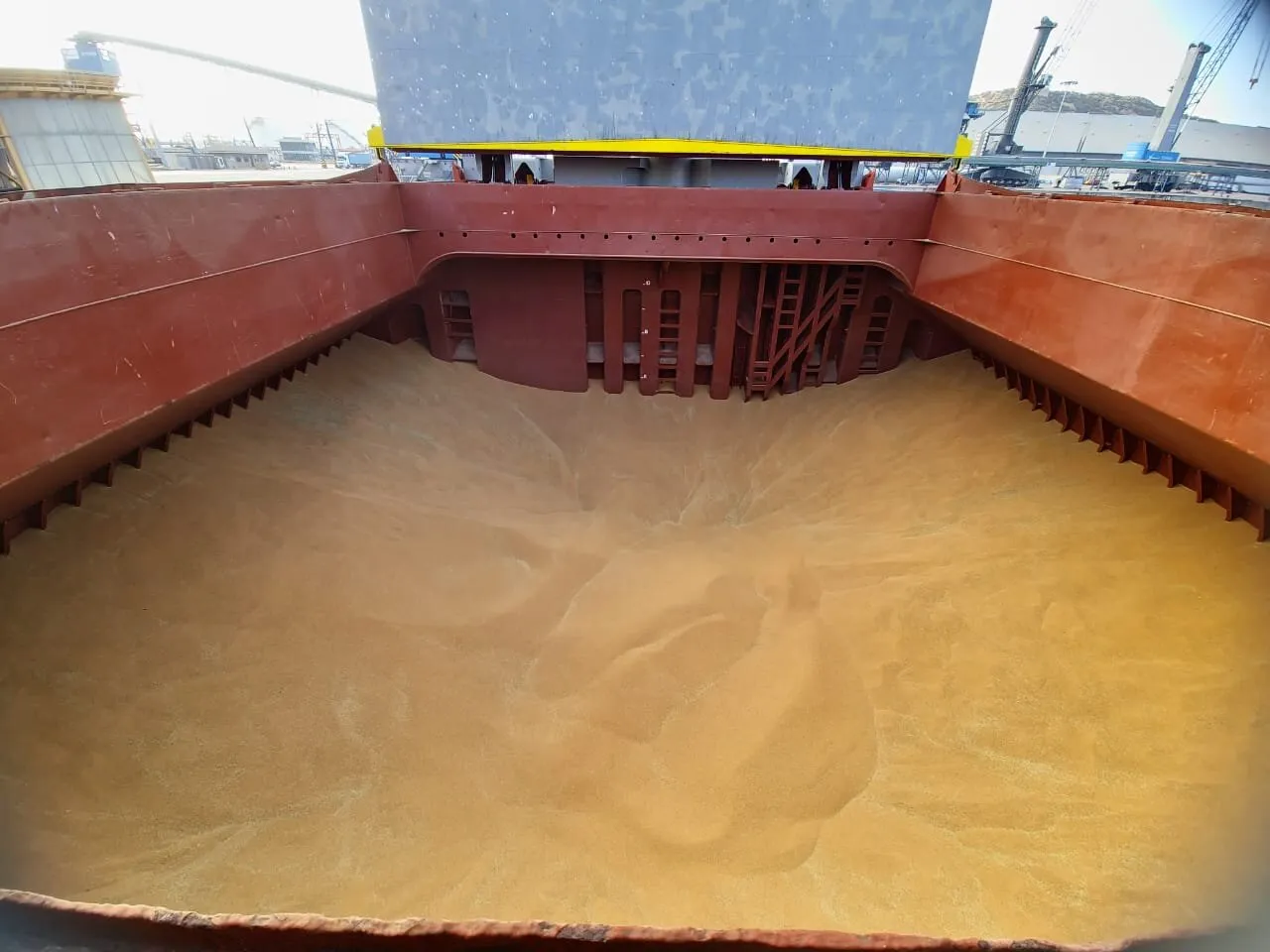
Dry bulk cargoes may appear simple because they are shipped without packaging and usually handled in large quantities. However, each commodity has its own operational requirements that directly affect vessel selection, loading, stowage and discharge.
Grain, coal, fertilizers, mineral products, cement, clinker and other bulk cargoes differ in density, moisture sensitivity, flow properties and contamination risks. These factors determine the required hold condition, permissible previous cargoes, ventilation needs and suitable loading equipment.
Cargo density is particularly important. A vessel may reach its maximum deadweight before all holds are full, while a lighter commodity may fill the available cubic capacity first. Incorrect calculations can reduce the quantity loaded and change the economics of the voyage.
Ports must also be checked for draft limits, loading rates, storage conditions and discharge facilities. Weather restrictions or low terminal productivity may create delays and additional costs.
Professional dry bulk chartering requires more than finding an available bulk carrier. The vessel, cargo, ports and charter-party terms must be evaluated together before the fixture is concluded.
See also: Ship Chartering: Why the Freight Rate Is Not Enough · How to submit a chartering enquiry.
Language versions: Українська версія · Русская версия