· Category: Dry Bulk Cargo
Bulk Cargo Chartering: Vessel Selection, Stowage and Port Restrictions
Kiev Shipping Ltd provides bulk cargo chartering support with vessel selection based on cargo characteristics, stowage factor, draft restrictions and voyage economics.
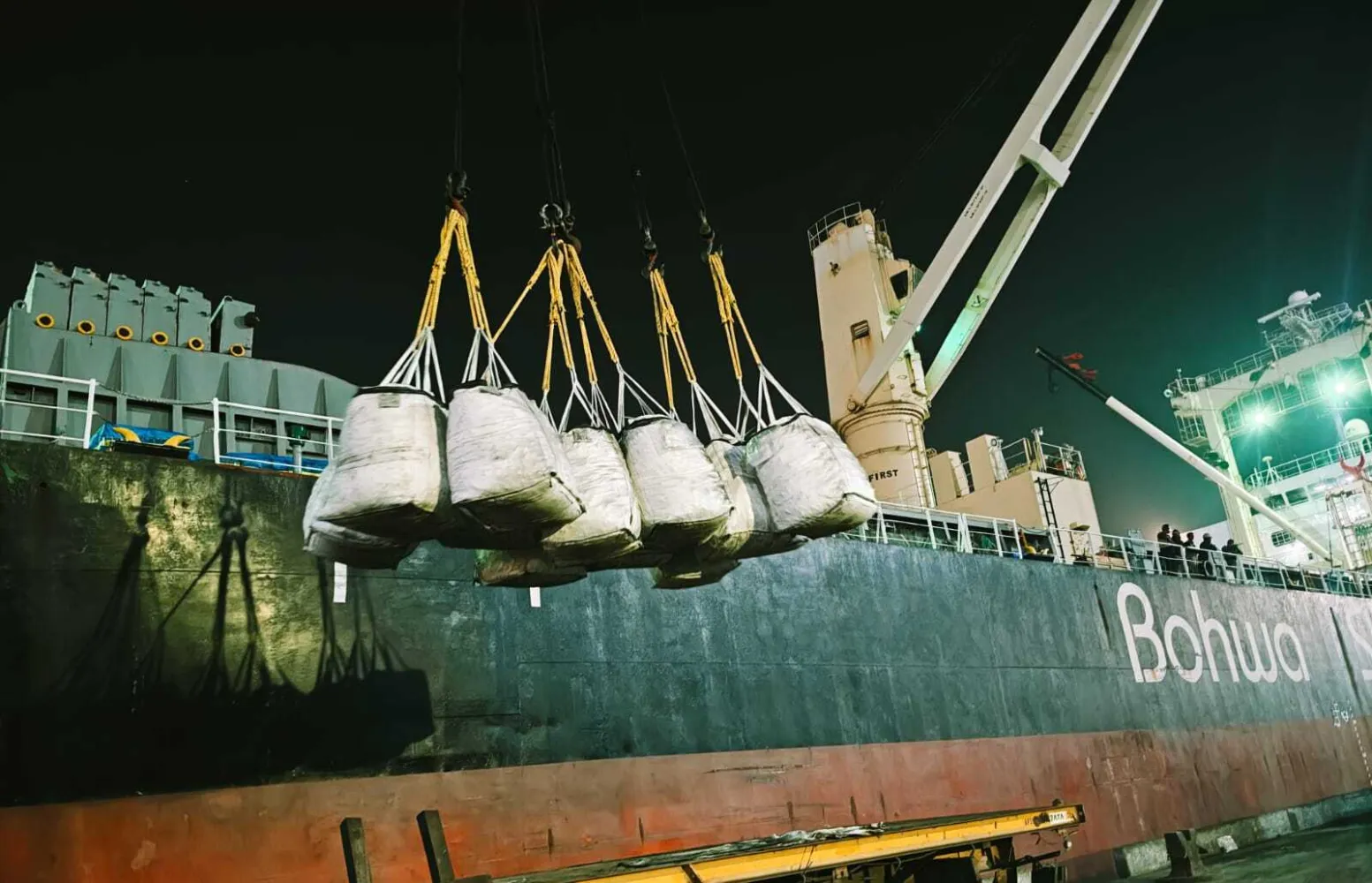
Dry bulk chartering depends on more than cargo quantity and freight level.
The right vessel must match the cargo characteristics, loading conditions and port limitations. Stowage factor, draft restrictions, hold capacity and loading rates can all affect which vessel is suitable for the shipment.
Kiev Shipping Ltd provides dry bulk cargo chartering and maritime brokerage support for cargo owners, traders and shipowners across international markets.
Vessel Selection
A suitable bulk carrier should be selected according to:
- cargo quantity and tolerance;
- stowage factor;
- vessel deadweight and hold capacity;
- draft restrictions;
- loading and discharge equipment;
- vessel position and laycan;
- expected voyage economics.
Two cargoes of the same weight may require different vessels if their density, volume or port conditions differ.
Why Stowage Factor Matters
Stowage factor shows how much space a cargo occupies per unit of weight.
A dense cargo may reach the vessel’s deadweight limit before the holds are full, while a lighter cargo may fill available hold volume before maximum deadweight is reached.
This is why accurate cargo specifications are important before requesting firm freight offers.
Port Restrictions
Port conditions can significantly affect vessel selection.
Important factors include:
- maximum permissible draft;
- berth length;
- water depth;
- loading and discharge rates;
- crane or grab requirements;
- tidal restrictions;
- local cargo handling conditions.
Ignoring these limitations can lead to operational delays or make an otherwise attractive vessel unsuitable.
Kiev Shipping works with grain, fertilizers, minerals, cement-related products and other dry bulk cargoes, with typical shipment sizes from approximately 3,000 to 50,000 metric tons depending on the trade and port limitations.
Ship Chartering · Maritime Brokerage · Commercial Ship Management
We know the solution to the problem that has not yet occurred.
Service overview: Dry Bulk Cargo Chartering. For shipowners looking at vessel employment rather than a single fixture, see Commercial Ship Management Services.
See also: Dry Bulk Cargo: Why Cargo Characteristics Matter · Ship Chartering: Finding the Right Vessel for the Right Cargo · more in Dry Bulk Cargo.
Language versions: Українська версія · Русская версия