· Category: Tanker Chartering
Tanker Chartering: Why Cargo Compatibility Comes First
Tanker chartering starts with cargo compatibility, vessel suitability and terminal requirements — not only the freight rate.
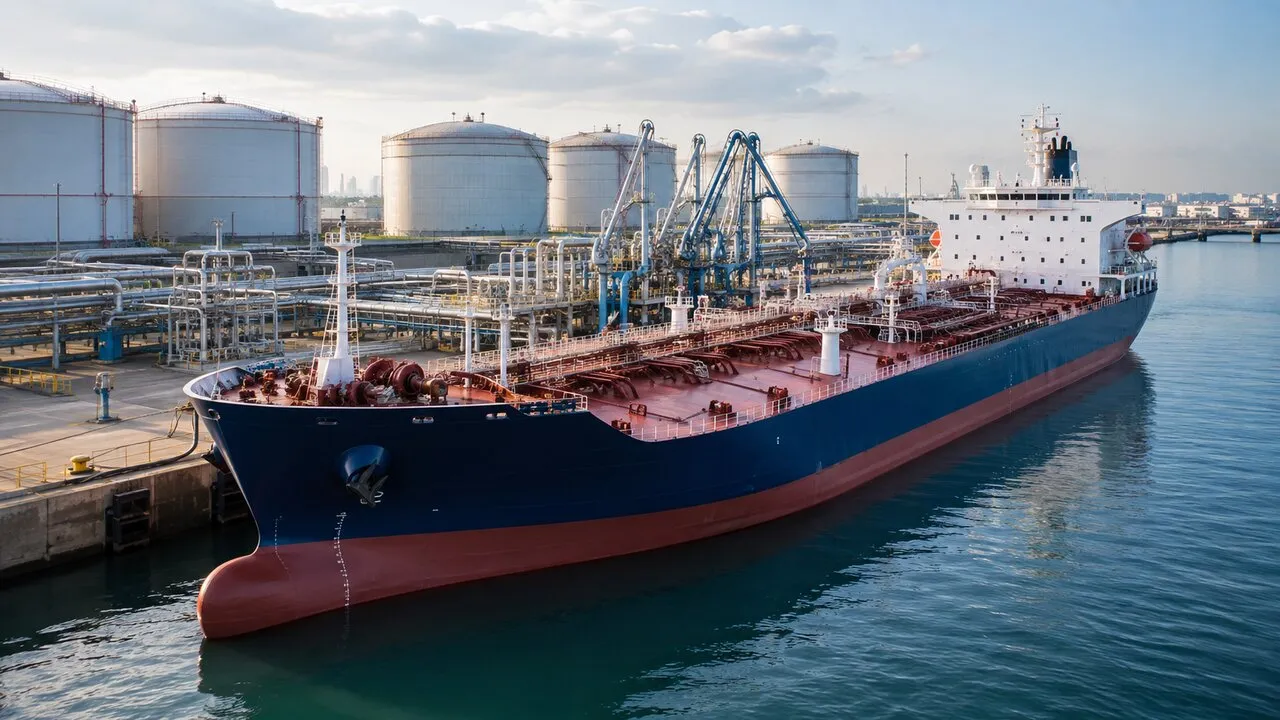
Tanker chartering requires more than finding an available vessel with sufficient carrying capacity. The cargo specification, vessel type, coating, pump system, previous cargoes and terminal restrictions must all be checked before commercial terms are agreed.
Clean petroleum products, dirty petroleum products and chemicals have different handling and safety requirements. A tanker suitable for one cargo may be unacceptable for another because of tank coating, contamination risk, heating needs or segregation limitations.
Loading and discharge performance also affects the voyage. Pump capacity, manifold connections, hose requirements, terminal rates and maximum permitted pressure must be confirmed in advance. Port draft, berth dimensions and local regulations may further limit the vessel choice.
Incomplete information can lead to rejected nominations, additional cleaning costs, delays or cargo claims. A complete enquiry should therefore include cargo grade, quantity, temperature requirements, loading and discharge ports, laycan and any special terminal conditions.
Professional tanker chartering combines technical compatibility, operational feasibility and careful charter-party negotiation. The lowest freight rate is not necessarily the safest or most economical option.
See also: Ship Chartering: Why the Freight Rate Is Not Enough · Dry Bulk Cargo: Why Cargo Characteristics Matter · How to submit a chartering enquiry.
Language versions: Українська версія · Русская версия